A plumber’s website has two jobs: help someone with an urgent problem call quickly, and give someone planning work enough information to ask for a useful quote. It should make your services, working area and contact options clear before a visitor has to search for them.
This checklist is for plumbers in South Africa, including small teams working around Strand, Somerset West and Cape Town. Use only the services, hours, registrations and areas that are true for your business.
Separate urgent work from planned work
A burst pipe and a bathroom renovation should not lead to the same vague contact message.
If you genuinely take urgent call-outs, put the phone number near the top of the page and say when it is answered. Do not advertise 24-hour service unless someone can respond at that time. Name the urgent problems you actually handle, such as burst pipes, blocked drains or leaking geysers.
Planned work needs a different route. Bathroom projects, installations, maintenance and inspections usually need more detail before a quote. Give these visitors a clear form or WhatsApp option and tell them what information will help you respond.
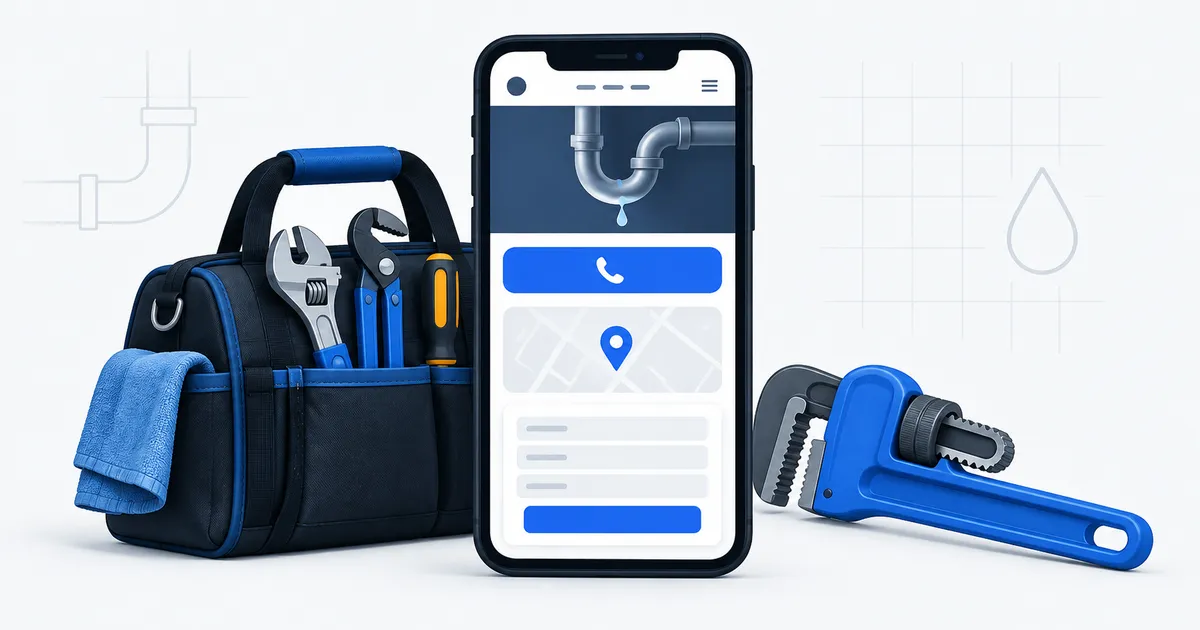
Make the first phone screen answer three questions
Before someone scrolls, they should be able to understand:
- What plumbing work you do.
- Which area you serve.
- How to call or message you.
A business name and a general line such as “quality you can trust” do not answer those questions. A clearer opening is specific: the type of plumbing work, the real service area and the next step.
Test the page on your own phone. The number should open the dialler, WhatsApp should open the correct chat and the form should be easy to complete without zooming.
Organise services around jobs customers recognise
List the work in the language customers use when they have a problem. Depending on the business, that might include:
- Leak detection and repairs.
- Blocked drains.
- Geyser repairs or installations.
- Bathroom plumbing.
- New installations.
- Maintenance for homes, complexes or businesses.
Do not add a service because it sounds useful for search. Add it only when the business actually provides it.
One focused page may be enough for a small plumbing business with a narrow offer. Separate service pages become useful when each service needs a proper explanation or customers search for it separately. The website design service explains what Shift Local includes in its starting one-page build and when additional pages need a separate scope.
State the real service area
Customers need to know whether you will travel to them. Name the towns or areas you genuinely cover, and keep that information consistent with your Google Business Profile and other business listings.
Avoid publishing dozens of near-identical suburb pages. A location page should contain information that is genuinely useful for that place, not the same paragraph with a different suburb name.
Shift Local follows the same rule. We are based in Strand and work with service businesses in Strand, Somerset West and Cape Town, but we do not create a separate page for every nearby area without useful local information to support it.
Show proof a customer can check
Use real evidence rather than broad claims. Useful proof can include:
- Photos of completed work, with permission.
- Current registrations or credentials, shown accurately.
- Links to independent review profiles.
- Clear business contact details.
- A short explanation of how quotes and call-outs work.
If you display a registration number, keep it current and name the organisation that issued it. The City of Cape Town publishes a registered plumber list, which is one example of information customers may use to check a claim.
Do not publish stock testimonials, borrowed project photos or a review score that cannot be traced to a real source.
Keep the enquiry form short but useful
An urgent visitor should not have to complete a long questionnaire. A practical plumbing enquiry form can ask for:
- Name.
- Phone number or preferred reply method.
- Area or suburb.
- A short description of the job.
- Whether the problem is urgent or planned.
Ask for photos only if the business has a safe, reliable way to receive and store them. The form should confirm that the message was sent and the business should know which inbox receives it.
Track contact actions without calling every click a lead
Website measurement can show form submissions, phone-button taps and WhatsApp-button taps. These are useful contact actions, but they are not automatically qualified enquiries or booked jobs.
Keep a simple record of which enquiries were relevant, which became quotes and which became paid work. That is more useful than reporting traffic alone.
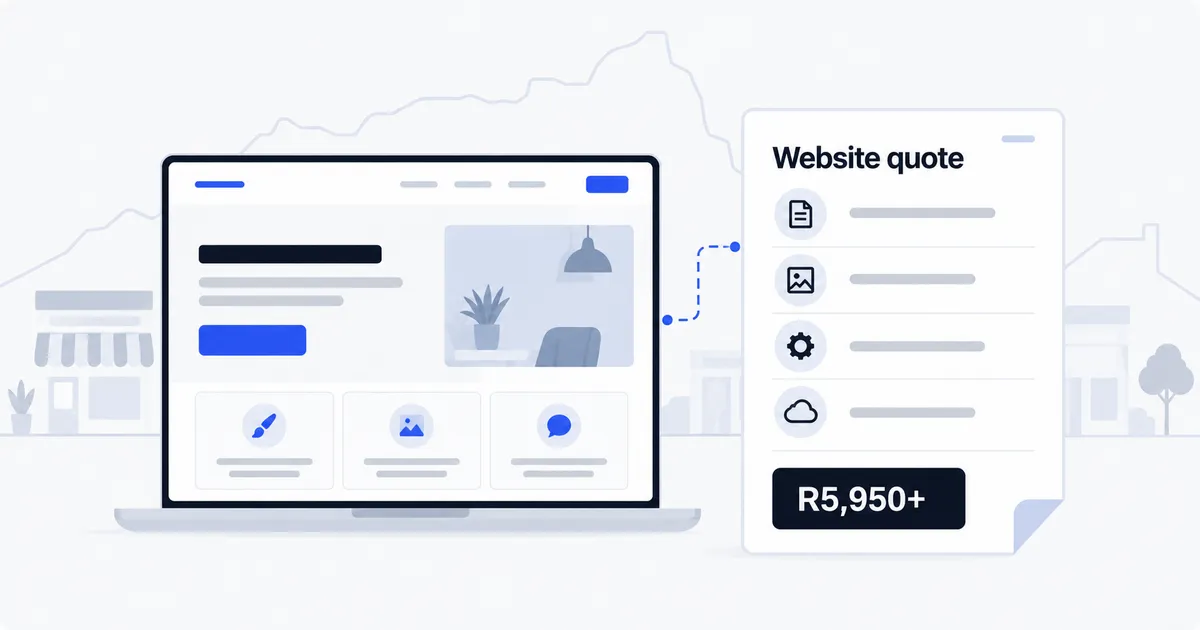
Shift Local’s Website Build includes GA4, Google Tag Manager and conversion tracking. The website cost guide explains the rest of the approved starting scope and what can change a quote.
Check the whole path before launch
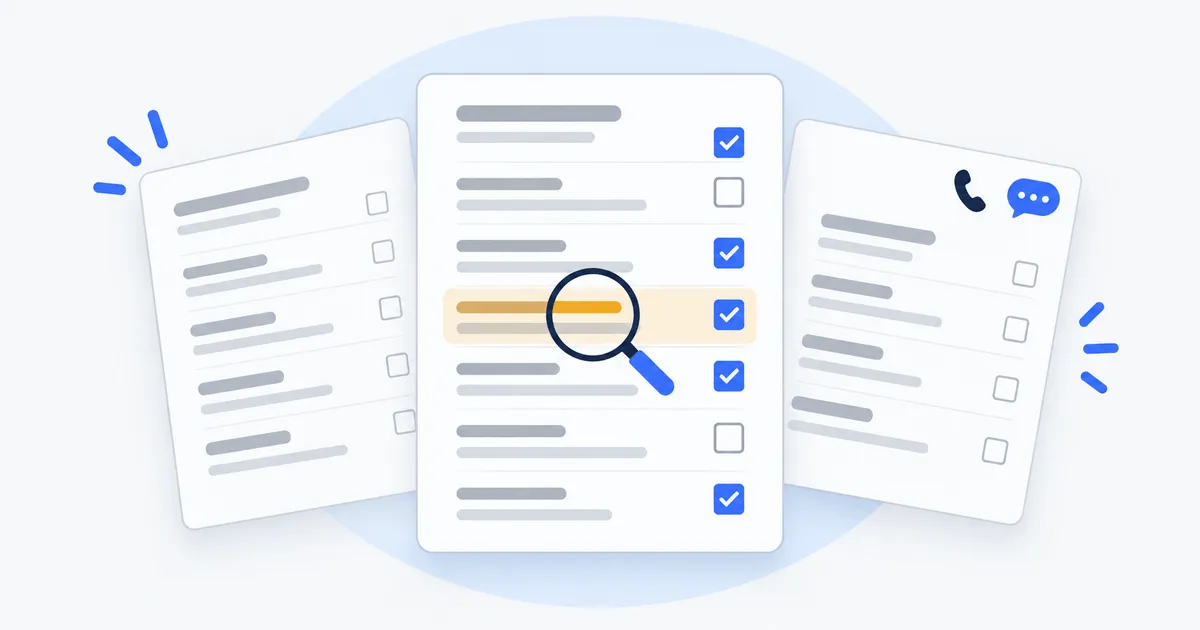
Before publishing the site, test it as a customer would:
- Open it on a phone using mobile data.
- Check the first screen states the service and area.
- Tap the call and WhatsApp buttons.
- Send an approved test through the contact form.
- Confirm the test arrives in the right inbox.
- Check every service and service area is accurate.
- Confirm registrations, photos and reviews have evidence and permission.
- Confirm contact actions appear in the agreed reporting tools.
Fixing this path before spending on ads or ongoing SEO prevents avoidable enquiries from being lost.
Common questions
Does every plumber need a multi-page website?
No. A focused one-page website can be enough when the services and service area are straightforward. More pages make sense when important services need different explanations or the business has enough real information to make each page useful.
Should a plumber advertise emergency service?
Only when the business actually provides it. State the genuine hours and contact route instead of using emergency language that the team cannot support.
Should prices appear on the website?
Publish prices only when they are current and meaningful for the way the business quotes. When jobs vary, explain how the quote process works rather than inventing a standard figure.
Can the website help with Google Maps visibility?
It can support the business’s local information, services and contact path, but a website alone does not guarantee a Maps position. The Google Business Profile and website should describe the same real business.
Get a practical website review
If you run a plumbing or trade business, Shift Local can review the mobile contact path, services, areas and enquiry form before recommending a build or improvement. See what we build in our website design for plumbers page.